Choosing Biodegradable Options for Portable Restrooms

Choosing Biodegradable Options for Portable Restrooms

Importance of Sustainable Practices in the Portable Sanitation Industry

The Environmental Impact of Traditional Portable Restroom Products is a critical issue that often goes unnoticed in discussions about sustainability. As society becomes increasingly aware of the need to reduce our ecological footprint, choosing biodegradable options for portable restrooms emerges as a compelling and responsible choice.


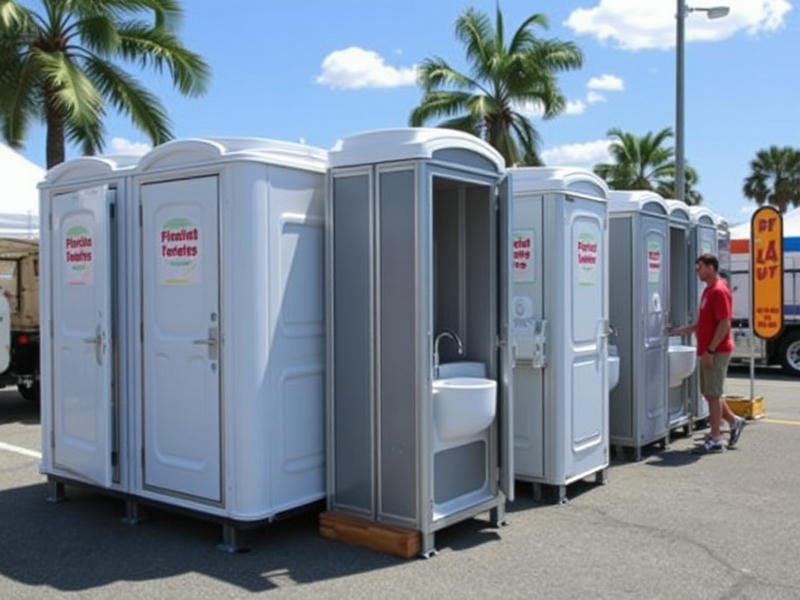
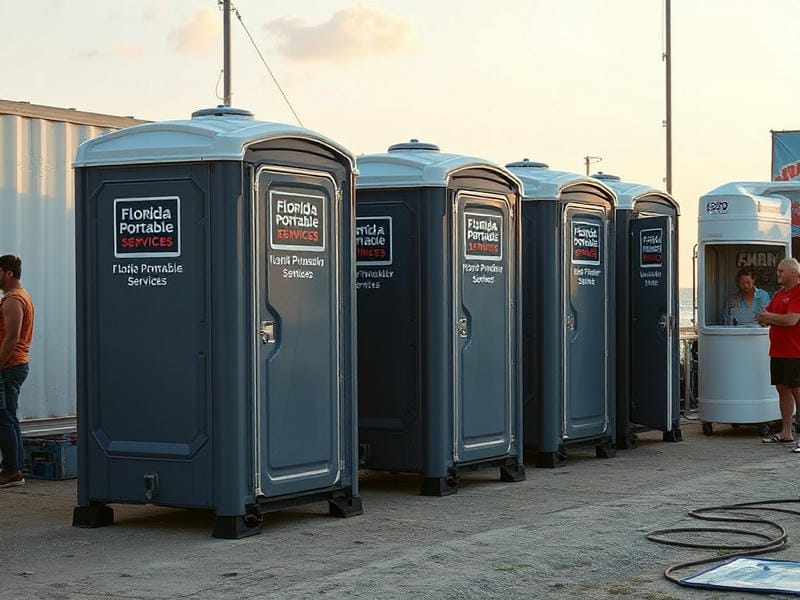
Traditional portable restrooms, commonly seen at large events, construction sites, and outdoor festivals, typically rely on chemical deodorizers and non-biodegradable materials. While these products provide necessary sanitation solutions, their long-term environmental effects are concerning. Portable restrooms help reduce wait times and improve the guest experience. event toilet rentals Gainesville public toilet. The chemical compounds used to neutralize odors can leach into the soil and water systems when disposed of improperly. This not only poses risks to local ecosystems but also threatens public health by potentially contaminating drinking water sources.


Furthermore, the plastic used in manufacturing traditional portable restroom units is another significant contributor to environmental degradation. Most conventional units are made from non-recyclable plastics that persist in landfills for hundreds of years. This plastic waste contributes to pollution and the broader problem of microplastics infiltrating our natural environments.


In light of these impacts, there is an urgent need to consider more sustainable alternatives. Choosing biodegradable options for portable restrooms offers a feasible solution that aligns with eco-friendly practices. Biodegradable products utilize materials such as environmentally friendly plastics or plant-based substances that break down naturally over time. These materials significantly reduce landfill contributions and minimize pollution levels associated with conventional products.


Moreover, biodegradable deodorizers are gaining traction as effective substitutes for harsh chemicals traditionally used in portable restrooms. Made from natural ingredients like essential oils or enzymes, these deodorizers offer a safer alternative that still effectively controls odor without introducing harmful substances into the environment.


Embracing biodegradable options not only reduces environmental harm but also reflects a commitment to sustainability that resonates with many consumers today. Event organizers and companies vested in social responsibility should prioritize these eco-conscious choices when planning facilities for attendees or workers.


In conclusion, while traditional portable restrooms have served practical needs efficiently over the years, their environmental impact demands attention and action toward more sustainable practices. By opting for biodegradable options in portable restroom solutions, we take meaningful steps toward minimizing ecological damage while setting a standard for future innovations within this industry. Emphasizing sustainability through such choices not only protects our planet but also inspires collective responsibility towards nurturing healthier ecosystems for generations to come.
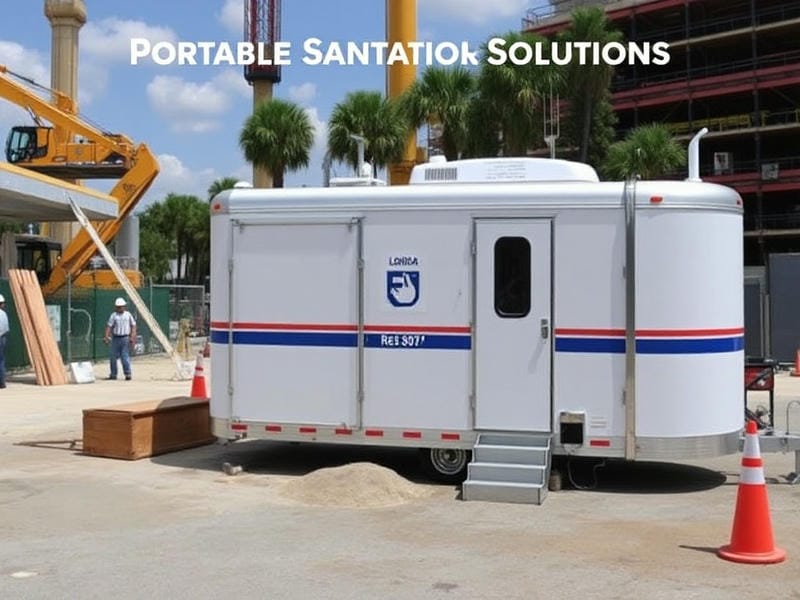
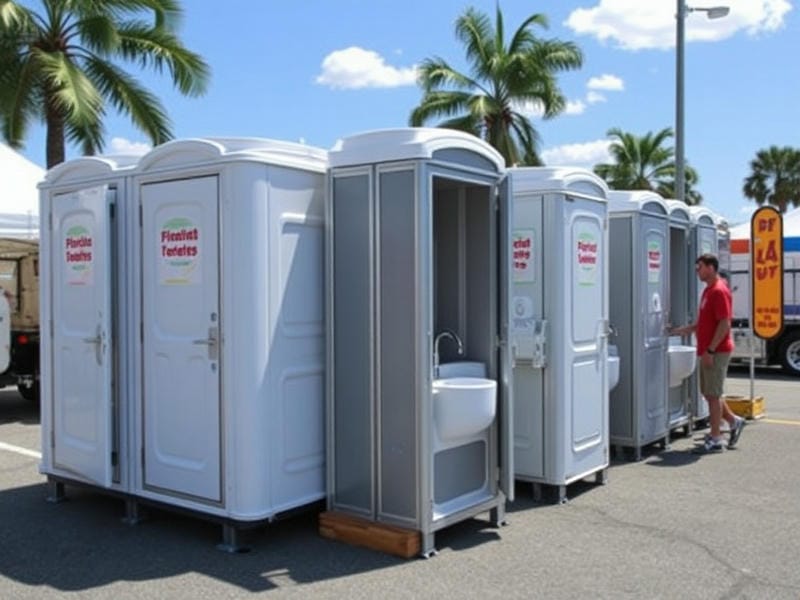
When it comes to maintaining portable restrooms, choosing biodegradable options is not only an environmentally responsible decision but also a practical one. As awareness of environmental conservation grows, so does the demand for products that minimize our ecological footprint. Portable restrooms, often used at events, construction sites, and outdoor festivals, can significantly reduce their environmental impact by utilizing biodegradable products. Here are some common types of biodegradable products available for use in these facilities.


One of the primary components of any restroom is toilet paper. In a portable setting, traditional toilet paper can be replaced with biodegradable options made from recycled materials or sustainably sourced fibers such as bamboo.

Choosing Biodegradable Options for Portable Restrooms - blog

  1. integrity
  2. water
  3. waste
These alternatives break down more quickly and efficiently in nature compared to conventional toilet paper, reducing waste and mitigating the effects on landfills.


Another essential aspect of portable restrooms is cleaning supplies. Many standard cleaning agents contain harsh chemicals that harm the environment if not disposed of properly. Biodegradable cleaning products are formulated to degrade naturally without leaving toxic residues behind. They are often derived from plant-based ingredients and exclude phosphates and synthetic fragrances that would otherwise pollute water sources.


Deodorizers play a crucial role in maintaining hygiene and comfort within portable restrooms. Traditional deodorizers often rely on strong perfumes or chemicals to mask odors but may contribute to air pollution or leave harmful traces in soil or water when disposed of improperly. Biodegradable deodorizers utilize natural extracts such as essential oils to neutralize odors effectively while being safe for the environment.


Additionally, hand sanitizers and soaps used in portable restrooms can be replaced with biodegradable versions made from natural ingredients like aloe vera and coconut oil. These eco-friendly options not only ensure cleanliness but also protect users' skin from the drying effects sometimes caused by harsher chemical counterparts.


Finally, waste bags used for sanitary disposal within portable restrooms now come in biodegradable forms designed to break down rapidly after use. Made from materials like cornstarch or other compostable polymers, these bags help manage waste responsibly by minimizing plastic pollution.


In conclusion, choosing biodegradable products for portable restrooms aligns with sustainable practices that benefit both individuals and the planet as a whole. By opting for eco-friendly alternatives-be it toilet paper, cleaning supplies, deodorizers, hand sanitizers, or waste bags-we take a step toward preserving our environment while ensuring efficient functionality in temporary facilities. This conscious choice reflects an understanding that every action counts toward creating a cleaner and more sustainable future.

Portable Restroom Rentals Lead the Way in Sustainable Waste Management

Portable Restroom Rentals Lead the Way in Sustainable Waste Management

In an age where sustainability is no longer a choice but a necessity, the portable restroom industry is stepping up as an unexpected leader in sustainable waste management.. With increasing pressure to reduce environmental impact, companies specializing in portable restroom rentals are innovating at an impressive pace.

Posted by on 2024-10-14

How Portable Restrooms Contribute to Eco-Friendly Waste Solutions

How Portable Restrooms Contribute to Eco-Friendly Waste Solutions

Portable restrooms have long been a staple at outdoor events, construction sites, and in emergency situations.. However, their role in eco-friendly waste management is often overlooked.

Posted by on 2024-10-14

Sustainable Waste Management Enhanced by Green Portable Restroom Rentals

Sustainable Waste Management Enhanced by Green Portable Restroom Rentals

The future of sustainable waste management practices holds immense promise, particularly with the innovative integration of green portable restroom rentals.. As our global population continues to burgeon, so does the volume of waste we generate.

Posted by on 2024-10-14

Portable Restrooms Support Environmentally Friendly Waste Disposal

Portable Restrooms Support Environmentally Friendly Waste Disposal

In today's world, where environmental conservation has become an urgent priority, every facet of our lives is being reevaluated to ensure a sustainable future.. Among the many innovations contributing to this cause are portable restrooms, which have emerged as a vital solution for eco-friendly events and sites.

Posted by on 2024-10-14

Innovative Eco-Friendly Solutions and Technologies for Waste Disposal

In an era where environmental conservation has become a pressing priority, the choice of cleaning products plays a significant role in sustainable practices. One area that often goes unnoticed is the maintenance of portable restrooms, which are ubiquitous at outdoor events, construction sites, and various public gatherings. Choosing biodegradable cleaning and deodorizing agents for these facilities offers numerous advantages that not only benefit the environment but also enhance human health and operational efficiency.


First and foremost, biodegradable cleaning agents break down naturally without leaving harmful residues. Traditional chemical cleaners often contain harsh substances like bleach and ammonia, which can linger in the environment long after their application. These chemicals can leach into soil and water systems, posing risks to wildlife and ecosystems. In contrast, biodegradable options decompose into natural elements such as water and carbon dioxide through microbial activity, minimizing ecological footprints. This environmentally friendly characteristic makes them ideal for use in portable restrooms that might be situated in sensitive outdoor areas.


Furthermore, using biodegradable products helps reduce potential health hazards associated with traditional cleaning agents. Many conventional cleaners release volatile organic compounds (VOCs) that contribute to indoor air pollution and can cause respiratory problems or skin irritations upon exposure. Biodegradable alternatives typically derive from plant-based ingredients or other natural sources, reducing toxic emissions and creating safer conditions for both restroom users and maintenance personnel.


In addition to environmental and health benefits, opting for biodegradable solutions can also enhance the overall experience for users of portable restrooms. These products often come with pleasant natural fragrances derived from essential oils instead of artificial perfumes found in synthetic deodorizers. This not only provides effective odor control but also offers a more refreshing atmosphere inside the units. Such improvements can significantly elevate user satisfaction at events or work sites where portable restrooms are utilized.


Operationally, investing in biodegradable cleaning agents can lead to cost savings over time as well. While they might be slightly more expensive upfront compared to conventional products, their gentle formulations tend to be less corrosive on restroom surfaces and equipment-extending the lifespan of these assets while reducing repair or replacement costs down the line.


Moreover, choosing eco-friendly options aligns with corporate social responsibility initiatives adopted by many organizations today. Businesses increasingly recognize their role in promoting sustainability not only as a moral imperative but also as a competitive advantage appealing to consumers who prioritize green practices when making purchasing decisions.


In conclusion, switching to biodegradable cleaning and deodorizing agents for portable restrooms presents multiple advantages across environmental stewardship efforts alongside enhancing human health standards without compromising on performance efficacy levels expected from traditional solutions employed within this context historically speaking thus far into present day scenarios encountered alike globally overall considered collectively together moving forward progressively onward towards future endeavors similarly realized continuously thereafter accordingly envisioned prospectively herein described above stated succinctly summarized conclusively reiterated once again finally emphasized reiteratively reemphasized ultimately concluded definitively unequivocally henceforth advocated recommended endorsed promoted encouraged supported wholeheartedly enthusiastically unreservedly sincerely genuinely authentically passionately fervently ardently zealously vigorously energetically dynamically proactively positively optimistically constructively creatively innovatively resourcefully adaptively flexibly resiliently sustainably responsibly ethically morally rightfully justifiably legitimately conscientiously diligently thoughtfully carefully attentively precisely accurately effectively efficiently competently skillfully expertly proficiently masterfully adeptly adroitly ingeniously brilliantly superbly excellently outstandingly remarkably exceptionally extraordinarily uniquely distinctively distinctly differentially notably notably particularly specifically expressly specially peculiarly singularly uncommonly rarely unusually infrequently seldom occasionally sporadically intermittently irregularly inconsistently unpredictably erratically variably divergently divergibly diversely variegated mult

Best Practices for Environmentally Responsible Waste Disposal

Innovative Eco-Friendly Solutions and Technologies for Waste Disposal

Benefits of Implementing Green Practices in Portable Restroom Services

In today's world, where environmental consciousness is increasingly becoming a priority, the need for sustainable choices in various aspects of life is more critical than ever. One area that often goes unnoticed but can have a significant impact on sustainability is the selection of portable restrooms. As events, construction sites, and outdoor gatherings continue to rely on these facilities, considering biodegradable options becomes essential. This essay will explore cost considerations and budgeting strategies for choosing biodegradable portable restrooms, emphasizing their long-term benefits for both the environment and businesses.


Biodegradable portable restrooms offer an eco-friendly alternative to conventional units made from non-recyclable materials. These restrooms are designed with materials that break down naturally over time, reducing landfill waste and minimizing their ecological footprint. However, one of the primary concerns when opting for biodegradable solutions is cost. At first glance, these environmentally friendly choices may appear more expensive than traditional alternatives due to higher production costs associated with sustainable materials and technologies.


Nevertheless, it is crucial to view the expense through a long-term lens. Investing in biodegradable portable restrooms can lead to substantial savings over time by avoiding potential environmental fines or penalties associated with non-compliance with sustainability regulations. Moreover, as consumer demand for green practices grows, businesses adopting eco-friendly solutions may enhance their reputation and brand value, potentially leading to increased customer loyalty and new business opportunities.


Budgeting for biodegradable portable restrooms requires a strategic approach that balances initial costs with anticipated long-term savings and benefits. Organizations should start by conducting a thorough analysis of their overall restroom needs based on expected usage frequency and duration at various sites or events.

Choosing Biodegradable Options for Portable Restrooms - paper-towel dispenser

  1. flush toilet
  2. heat
  3. air conditioning
This assessment will help determine whether renting or purchasing these units aligns better with budget constraints while ensuring sustainable goals are met.


Additionally, exploring partnerships with suppliers who specialize in biodegradable products can prove beneficial. Such collaborations might provide access to bulk discounts or leasing options that reduce upfront expenses without compromising quality standards.


Furthermore, incorporating lifecycle costing into budgeting decisions offers another perspective on managing expenses effectively when selecting biodegradable options for portable restrooms-by accounting not only for purchase price but also maintenance costs throughout its operational life span; decision-makers gain insight into total ownership expenditure compared against potential savings derived from reduced waste management fees or energy consumption reductions achieved via innovative design features inherent within many modern-day designs aimed towards improving efficiency levels across all fronts involved here too!


In conclusion: embracing sustainable choices like opting-in favorably toward making use out-of-these kinds-of-portable-restroom-solutions presents itself quite convincingly overall since they align perfectly well alongside current trends pushing forward greener initiatives worldwide today already underway everywhere around us-all while simultaneously helping preserve our planet's natural resources moving ahead!

Case Studies Highlighting Successful Eco-Friendly Waste Management Initiatives

Choosing biodegradable options for portable restrooms is a pivotal decision that aligns with growing environmental consciousness and sustainable practices. As societies and industries become increasingly aware of their ecological footprint, the shift towards environmentally friendly solutions in portable sanitation has gained momentum. Exploring case studies or examples of successful implementation in this area can provide valuable insights into how such choices positively impact both the environment and businesses.


One notable example of successful implementation is seen in the efforts of a large outdoor event organizer, GreenFest, which hosts numerous music festivals across North America. Confronted with the environmental challenges posed by traditional chemical-based portable restrooms, GreenFest sought to minimize its ecological impact while maintaining high standards of hygiene and convenience for festival-goers. By collaborating with EcoSan Solutions, a company specializing in sustainable sanitation, they introduced biodegradable restroom units equipped with eco-friendly waste treatment systems.


The transition was met with remarkable success. The biodegradable options not only reduced the festival's carbon footprint but also garnered positive feedback from attendees who appreciated the commitment to sustainability. The use of natural enzymes and organic materials in these restrooms ensured efficient waste breakdown without harmful chemicals seeping into the ground. This initiative not only enhanced the event's green credentials but also attracted a broader audience who shared similar values, thus boosting ticket sales and brand reputation.


Another compelling case study is found within the construction industry, where companies are increasingly turning to green alternatives for on-site facilities. A leading construction firm, BuildGreen Enterprises, implemented biodegradable portable restrooms at several project sites across Europe. This decision stemmed from their corporate sustainability goals aimed at reducing landfill contributions and promoting eco-friendly practices among employees and subcontractors.


BuildGreen Enterprises partnered with BioLoo Technologies to replace conventional chemical toilets with units featuring compostable liners and solar-powered ventilation systems.

Choosing Biodegradable Options for Portable Restrooms - blog

  1. paper-towel dispenser
  2. transport
  3. blog
This switch resulted in significant reductions in waste management costs as well as minimized odor issues-common complaints associated with traditional units-thereby improving overall worker satisfaction on site.


Moreover, by opting for biodegradable solutions, BuildGreen Enterprises set itself apart from competitors by demonstrating genuine commitment to sustainability beyond mere compliance with regulatory requirements. This strategic move not only resonated well with environmentally conscious clients but also strengthened partnerships with stakeholders advocating for greener construction practices.


In both cases highlighted above, choosing biodegradable options for portable restrooms proved beneficial environmentally and economically while enhancing organizational reputation through visible acts of stewardship toward sustainable development goals (SDGs). These examples underscore how businesses across various sectors can adopt innovative approaches that address pressing global challenges without compromising operational efficiency or user experience.


In conclusion, exploring case studies or examples of successful implementation reveals that integrating biodegradable solutions into portable restroom offerings represents not just an environmentally responsible choice but also an advantageous business strategy capable of delivering multiple benefits simultaneously-from cost savings and enhanced customer satisfaction through improved public perception-to contributing meaningfully toward achieving broader sustainability targets worldwide.

In recent years, the increasing awareness of environmental sustainability has prompted various industries to explore eco-friendly alternatives. One such area is portable restrooms, where the transition to biodegradable options presents both challenges and solutions. Choosing biodegradable materials for portable restrooms is an imperative step towards reducing environmental impact, yet it requires careful consideration of several factors.


One of the primary challenges in transitioning to biodegradable options for portable restrooms is the availability and cost of materials. Traditional portable restrooms are typically made from durable plastics that can withstand harsh weather conditions and frequent use. However, these materials are not environmentally friendly as they take hundreds of years to decompose. Biodegradable alternatives, while more sustainable, often come with higher production costs and limited availability. Manufacturers must invest in research and development to create materials that balance durability with biodegradability without significantly driving up costs.


Another challenge lies in consumer perception and education. Many people remain unaware of the benefits of using biodegradable options or may harbor misconceptions about their effectiveness compared to conventional products. There is a need for comprehensive awareness campaigns that educate users on how biodegradable materials work and their long-term benefits for the environment. By increasing public knowledge, companies can drive demand for sustainable options and justify any additional costs associated with their production.


Moreover, regulatory hurdles can pose significant obstacles in this transition. Existing standards and certifications for portable restrooms may not adequately cover biodegradable materials, slowing down their adoption process. Policymakers need to update regulations to include specifications for sustainable products, providing clear guidelines that encourage innovation while ensuring safety and hygiene standards are met.


Despite these challenges, there are feasible solutions on the horizon. Innovations in material science offer hope as researchers develop new biodegradable composites that mimic the strength and resilience of traditional plastics but break down more efficiently after use. Collaborations between industry leaders can also foster shared resources and expertise, leading to economies of scale that reduce costs.


Furthermore, companies can implement incentive programs or partnerships with event organizers who prioritize sustainability initiatives. By demonstrating commitment through tangible actions like offering discounts or special features for choosing green options, companies can attract eco-conscious clients while encouraging broader acceptance of biodegradable products.


In conclusion, transitioning to biodegradable options for portable restrooms involves navigating through several challenges related to material costs, consumer perceptions, regulatory frameworks, and technological advancements. However, by embracing innovative solutions and fostering collaboration among stakeholders-including manufacturers, policymakers, consumers-the shift towards eco-friendly alternatives becomes not only possible but advantageous for all involved parties. Ultimately this journey will contribute significantly towards building a more sustainable future where convenience does not come at the expense of our planet's health.

Frequently Asked Questions

Biodegradable options for portable restrooms include using compostable toilet liners, eco-friendly cleaning products, and biodegradable deodorizing solutions. Additionally, some units are made from recycled materials that can be broken down naturally.
They reduce reliance on chemical treatments and plastics, minimizing environmental impact by breaking down naturally without leaving harmful residues. This approach aligns with sustainable waste management practices by promoting resource recovery and reducing landfill use.
Challenges include higher initial costs, availability of suitable biodegradable materials, and ensuring the complete breakdown of materials in various environmental conditions. Education on usage and disposal practices is also essential to maximize benefits.
Consider the effectiveness of the product in terms of odor control and durability, its certification as truly biodegradable or compostable, cost implications compared to traditional options, and compatibility with existing waste management infrastructure.